~/allan/home/about.ap
~/allan/home/links.ap
~/allan/home/work.ap
 main
../about.ap
© 2025 Allan Paiz. All rights reserved.
main
../about.ap
© 2025 Allan Paiz. All rights reserved.
I'm currently a student at theUniversity of South Carolina. Computer Science major, Mathematics minor. Expected graduation December of 2026. I enjoy all sports with (and without) the use of analytics. soccer>(football>=baseball)>(hockey>=basketball)I enjoy playing tournament poker and competitive video games, though I don't get the chance to play as often as I'd like. I'm a United States Marine Corps Veteran. When I'm not on a computer... I'm enjoying life with my wife, twin babies, and 2 doggos.
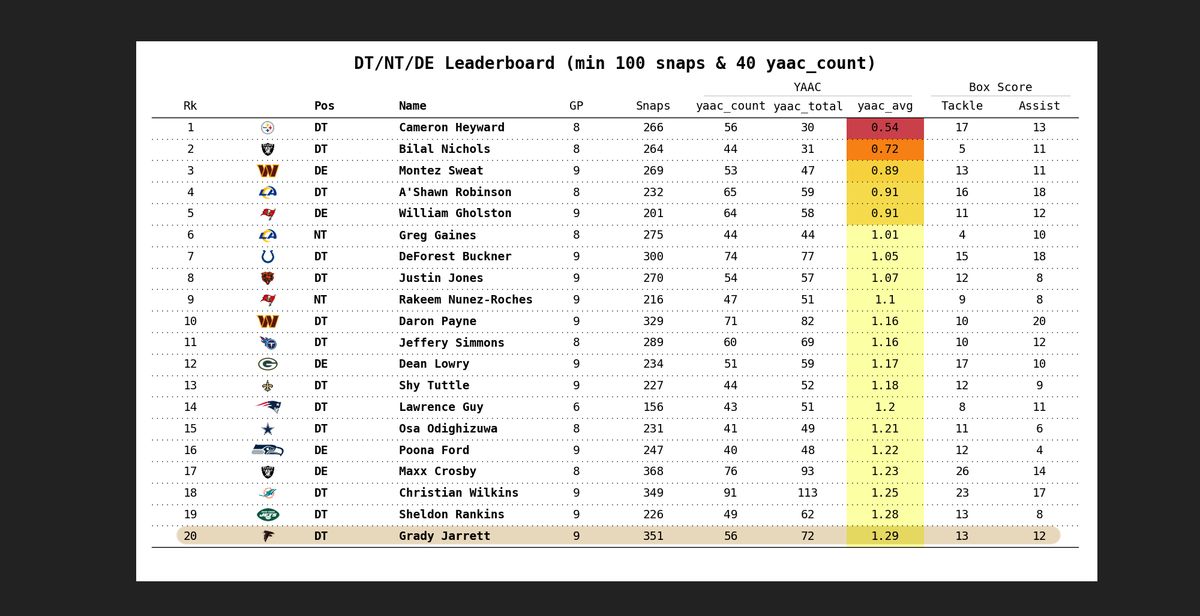
Defensive Stopping Power : NFL Big Data Bowl 2024
  - New defensive metrics using NFL tracking data.

Wash Your Rice
  - Horror themed puzzle game.

Dynamical Systems and AI Research Group
  - Research in robotics, AI, and dynamical systems.

TuneUP by JETA
  - Music application for my software engineering course.

Predicting Construction Permit Delays
  - Math Foundations of ML/DS course project.

// This portfolio is meant to resemble a neovim text editor.
// It looks great on my PC, but may not on yours...
// if that's the case, we're UNDER CONSTRUCTION!
at] gmail [dot] comGithub: https://github.com/allanpaizResume: /resume.pdfUpdated: 8/19/2026
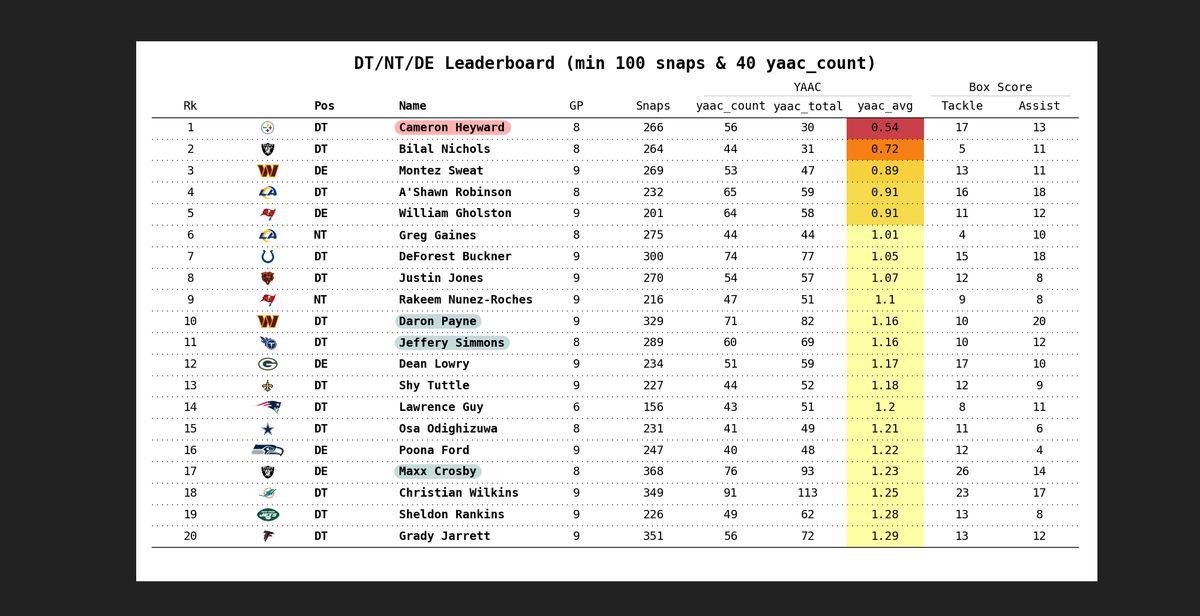
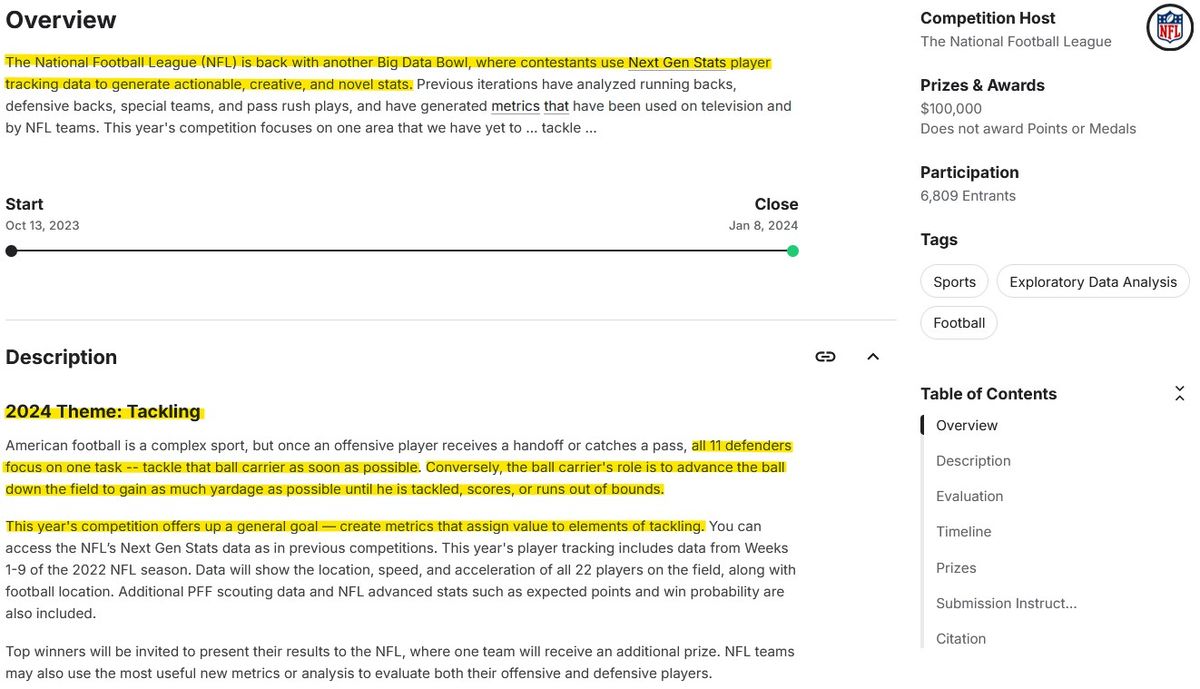
2024 NFL Big Data Bowl competition's tackling theme left me struggling to find a direction for my project.
Several of my ideas were limited by the provided datasets.
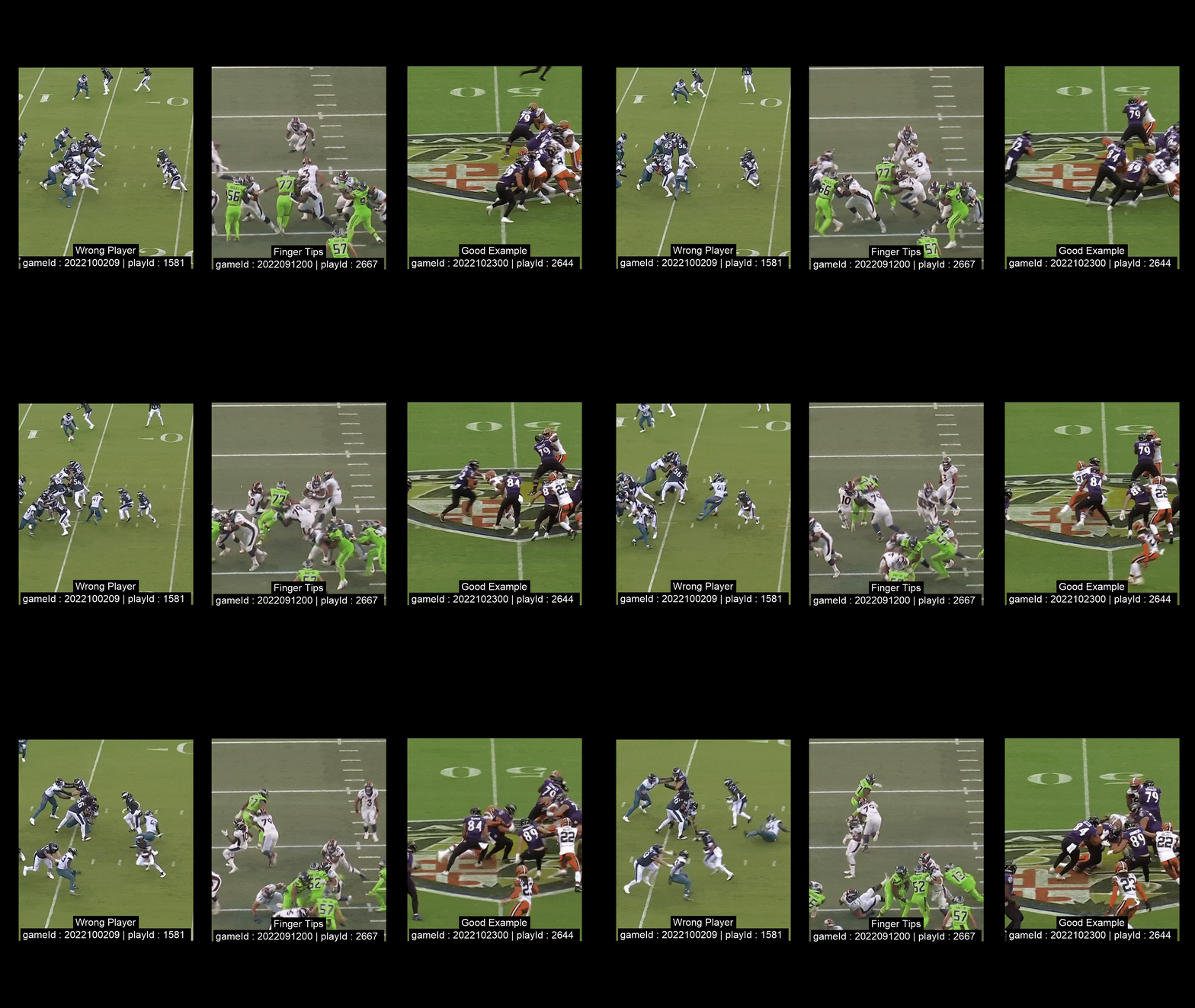
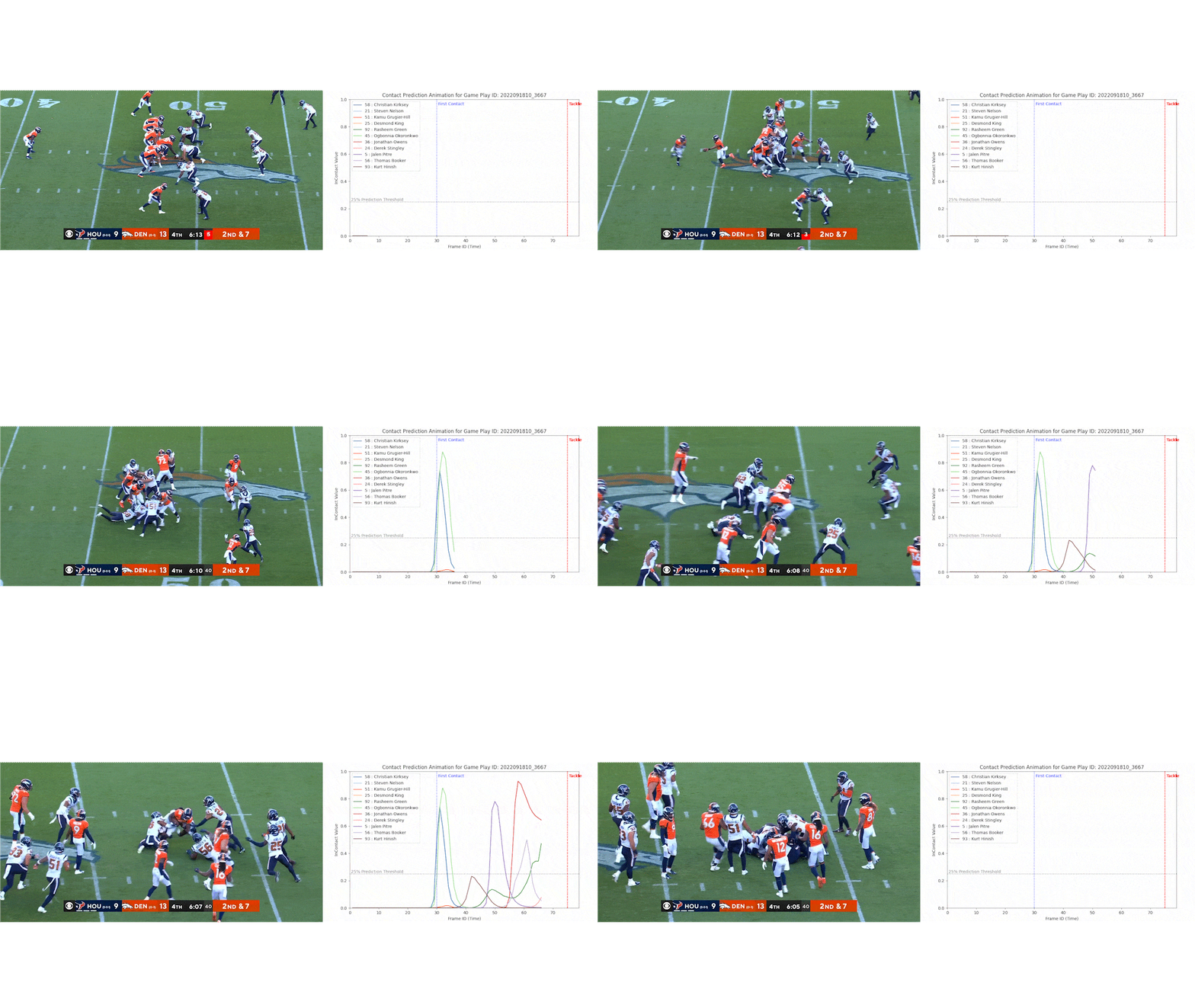
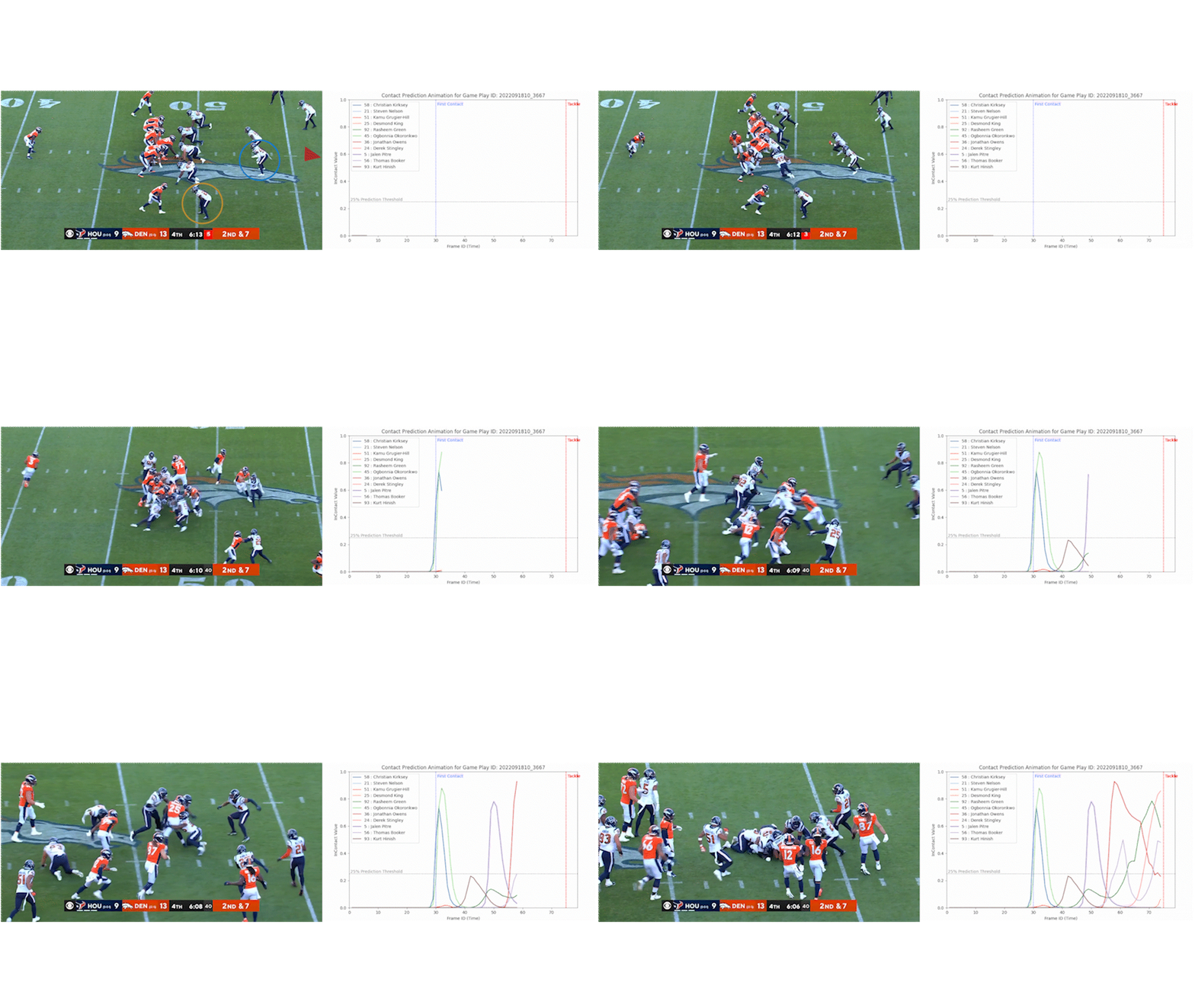
first_contact flag in the data was misleading. (See GIF)identify all contact, or potential contact, between ball carriers and defenders.
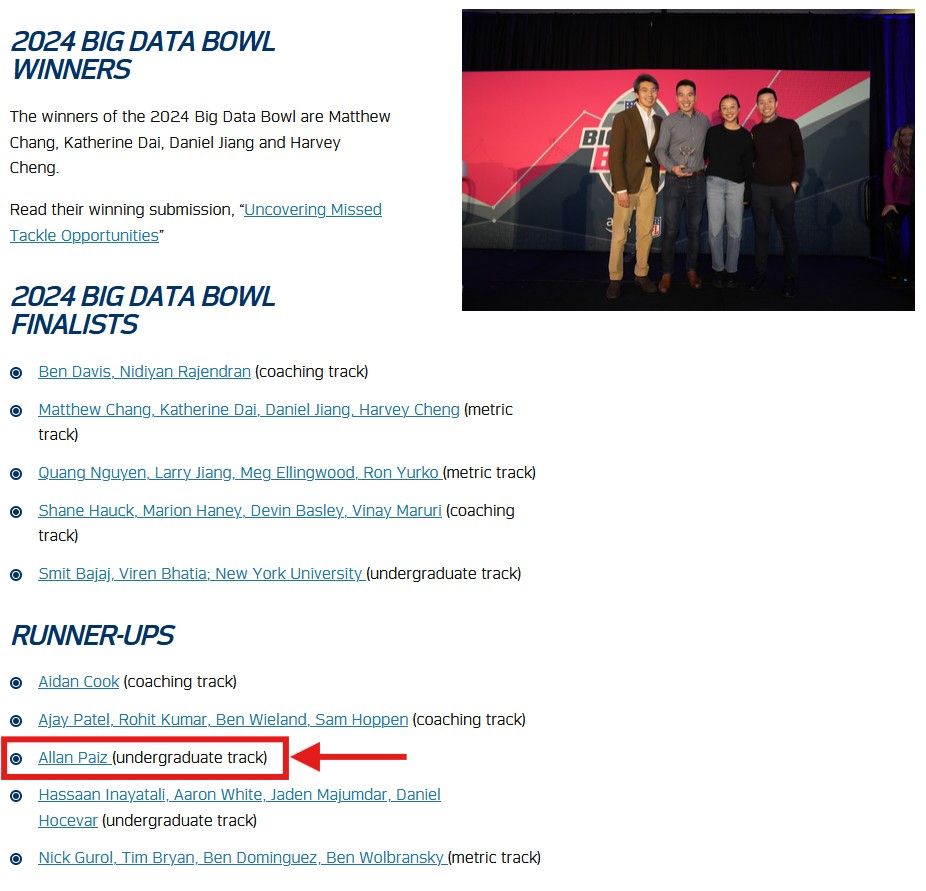
Links: GitHub Repository   Kaggle Submission         Finalists: NFL Announcement   Kaggle Announcement

Summary: Developed a neural network to detect all defender-ball carrier contact in NFL tracking data, addressing limitations in traditional defensive metrics.

Technical Skills: Python, Pandas, NumPy, Keras, Matplotlib
Personal Skills: data processing, problem solving, data analysis, machine learning, feature engineering, visualization, reporting
Features: feed-forward neural network, spatial and velocity data modeling, detailed visualization and analytics
Applications: NFL and NCAA player scouting and evaluation, game planning and analysis, in game decision making, Fantasy football and sports betting analytics
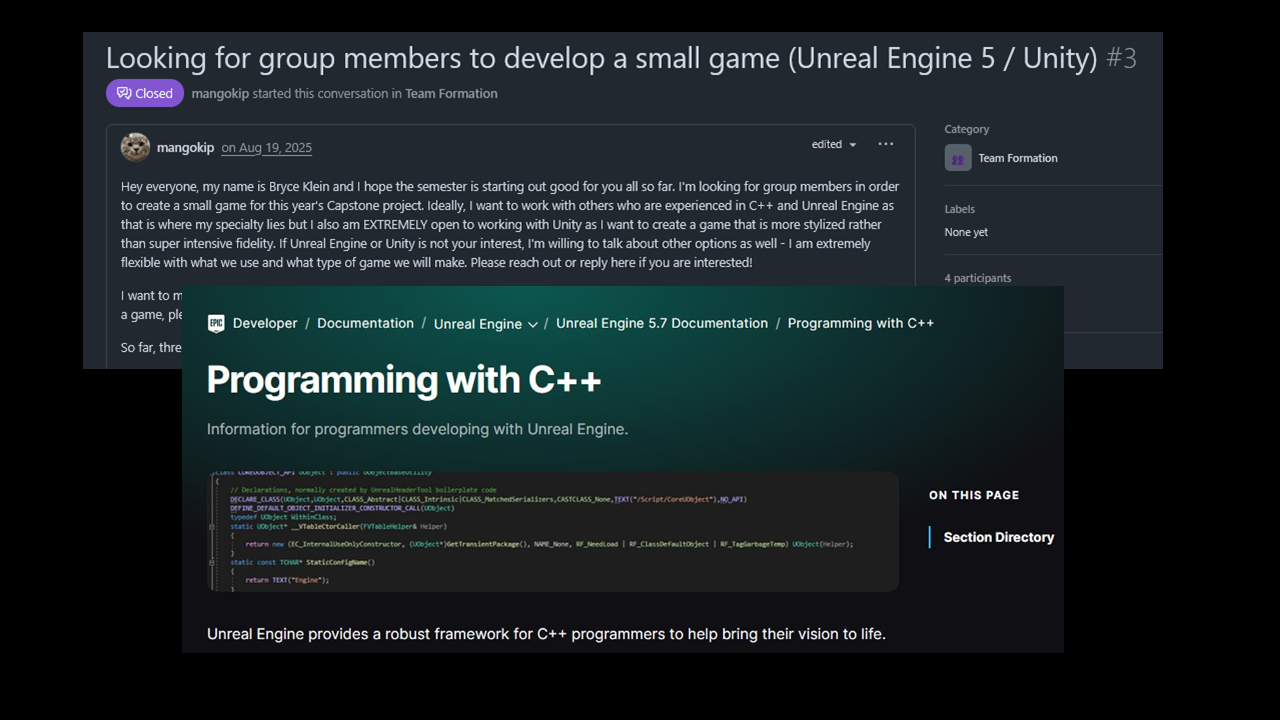
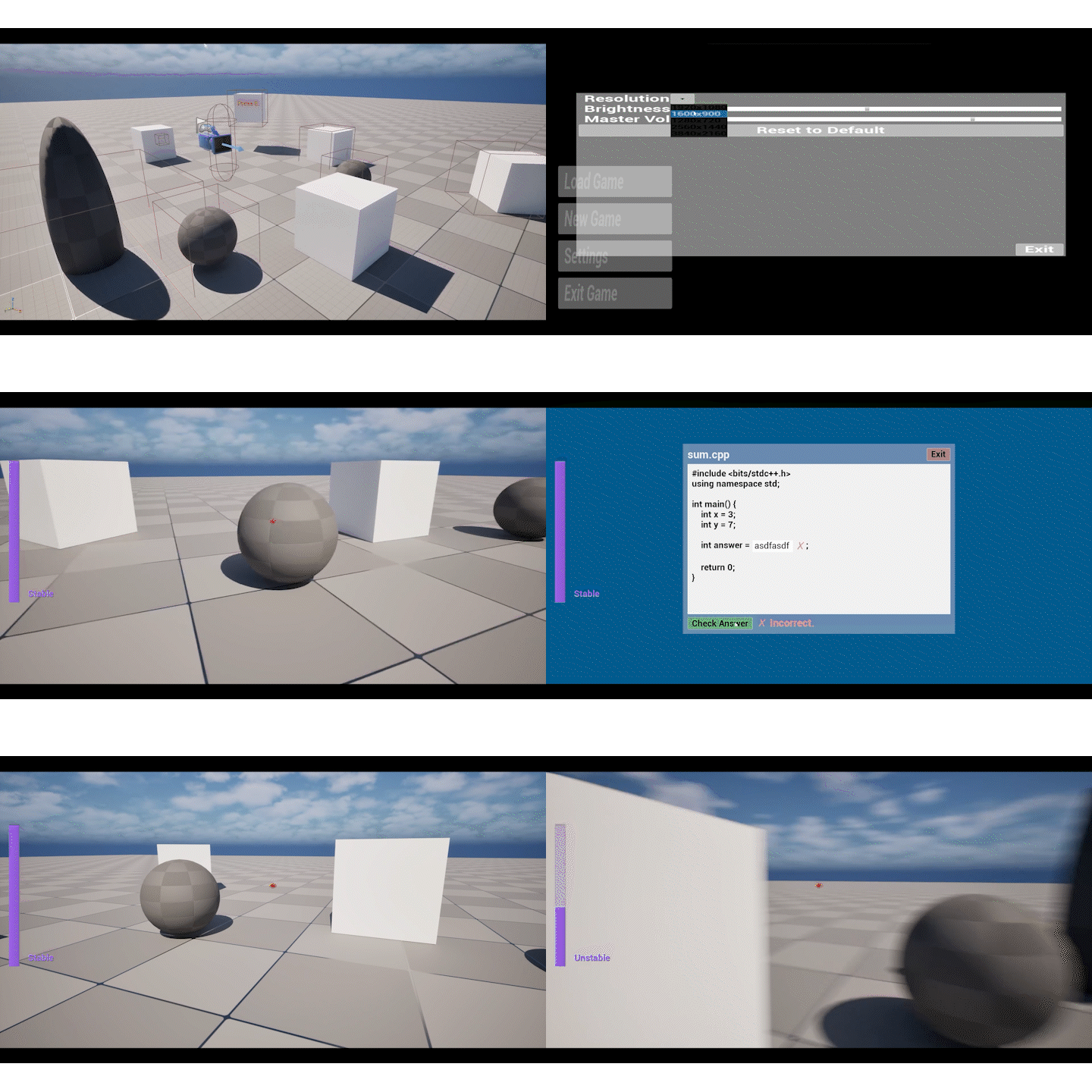
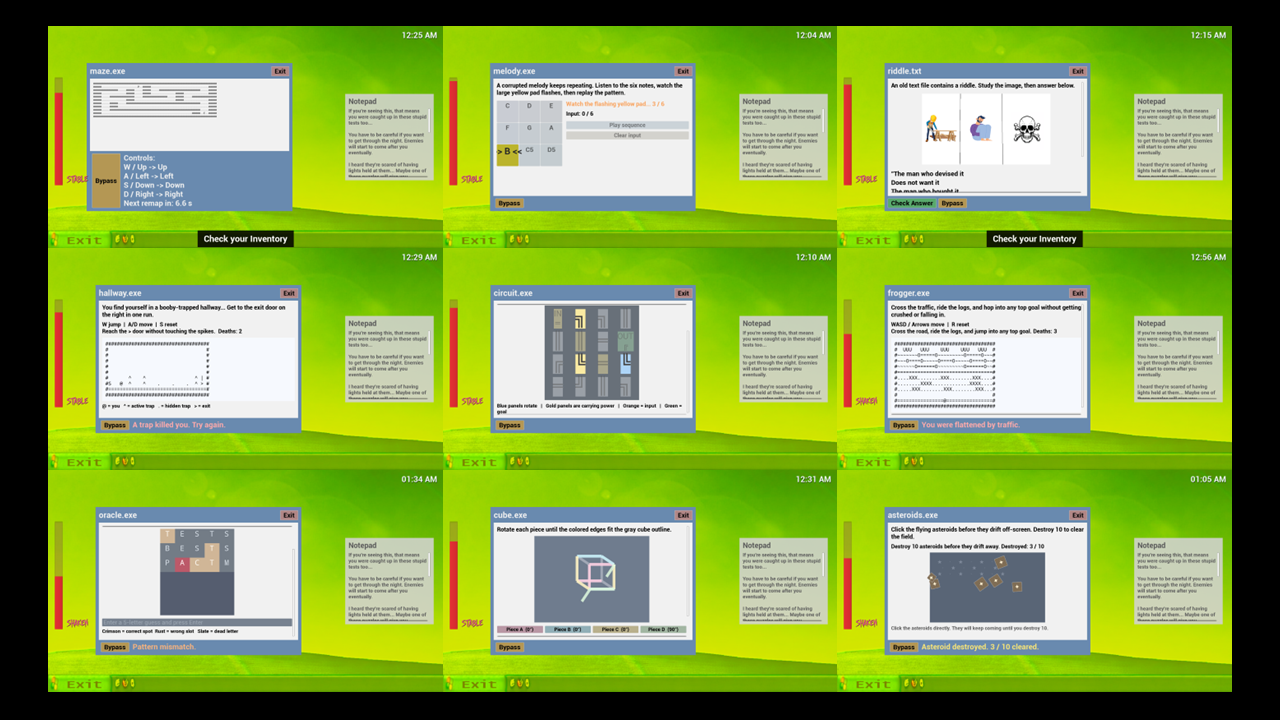
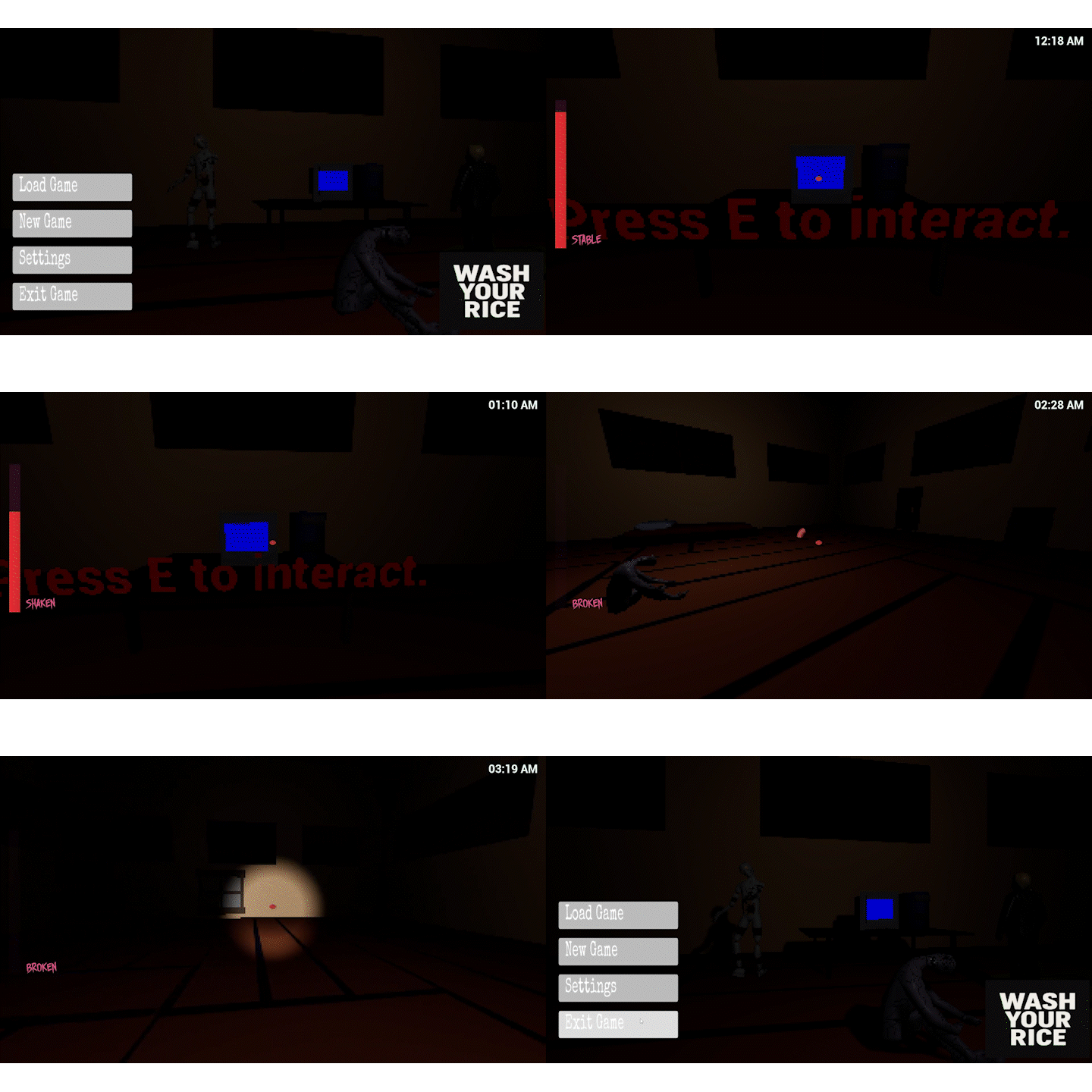
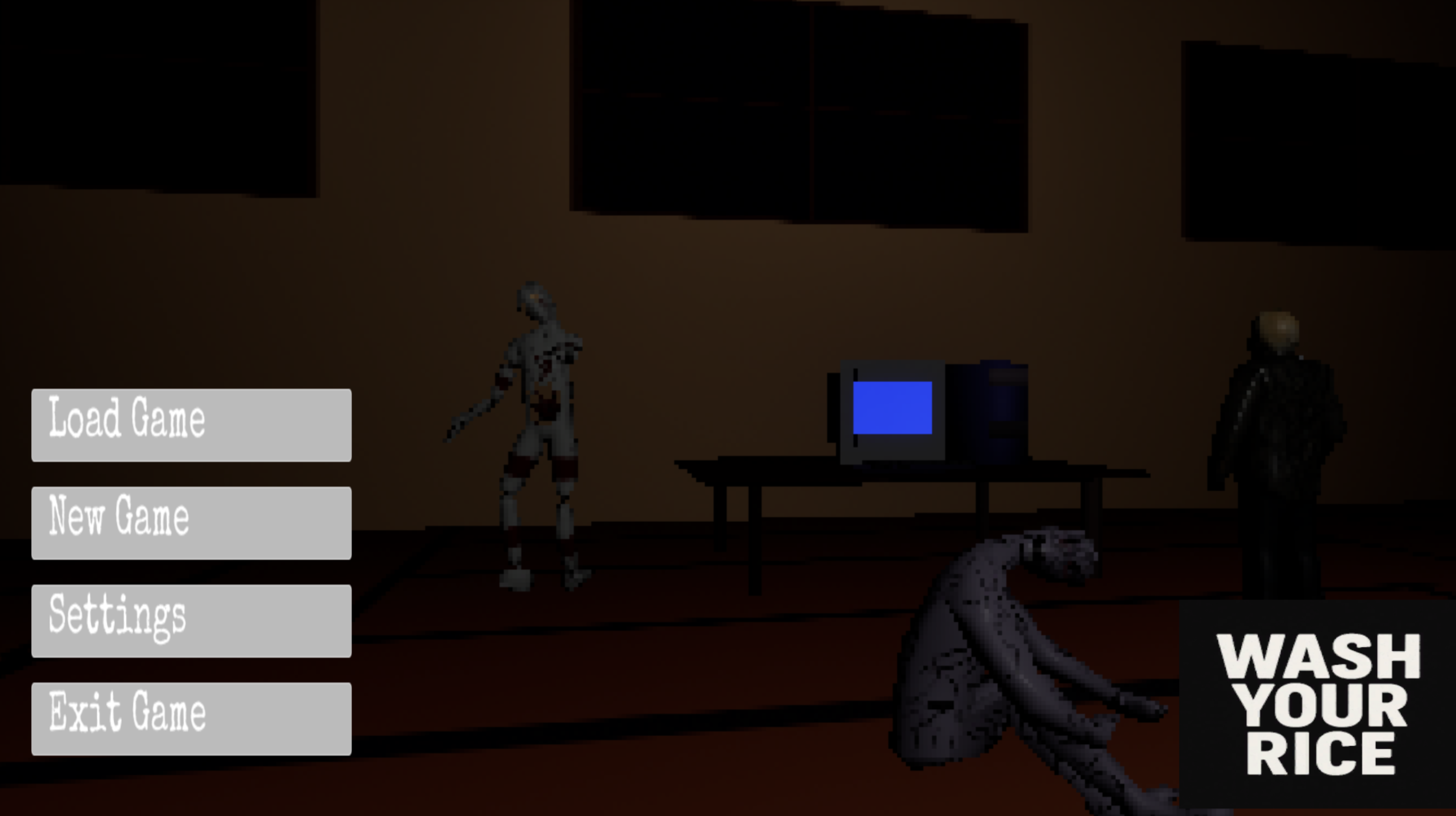
Wash Your Rice is a five person capstone project built in Unreal Engine 5.6.1 and C++.
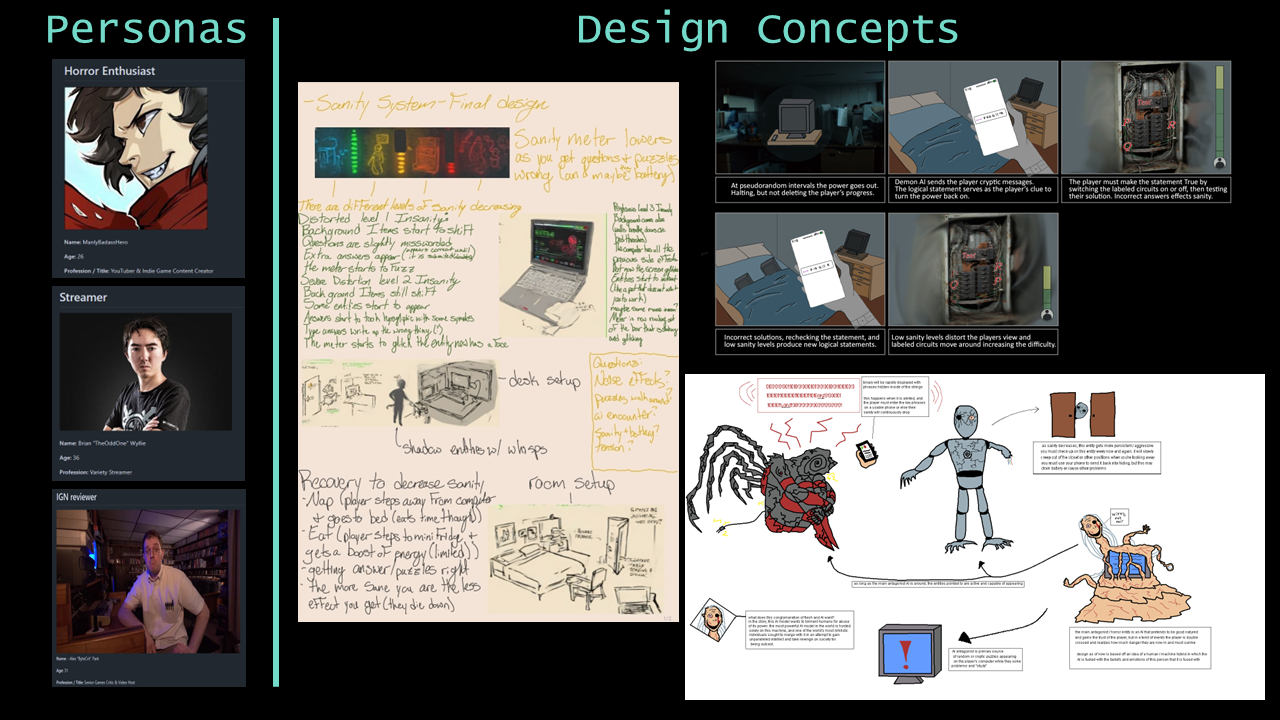
The game combines several connected systems, including survival mechanics, puzzle progression, an in world computer, time management, and enemy encounters.
My main contributions focused on the computer interface and the systems that manage its puzzle progression.
Links: Capstone Site   GitHub Repository   Final Demo   Proof of Concept

Summary: Built core C++/UMG computer-interface and puzzle-progression systems for a five-person Unreal Engine 5.6.1 capstone, with automation coverage for UI state and puzzle behavior.

Technical Skills: Unreal Engine 5.6.1, C++, Rider, Unreal Automation Testing, Git LFS
Personal Skills: systems design, debugging, integration, test driven iteration, team collaboration
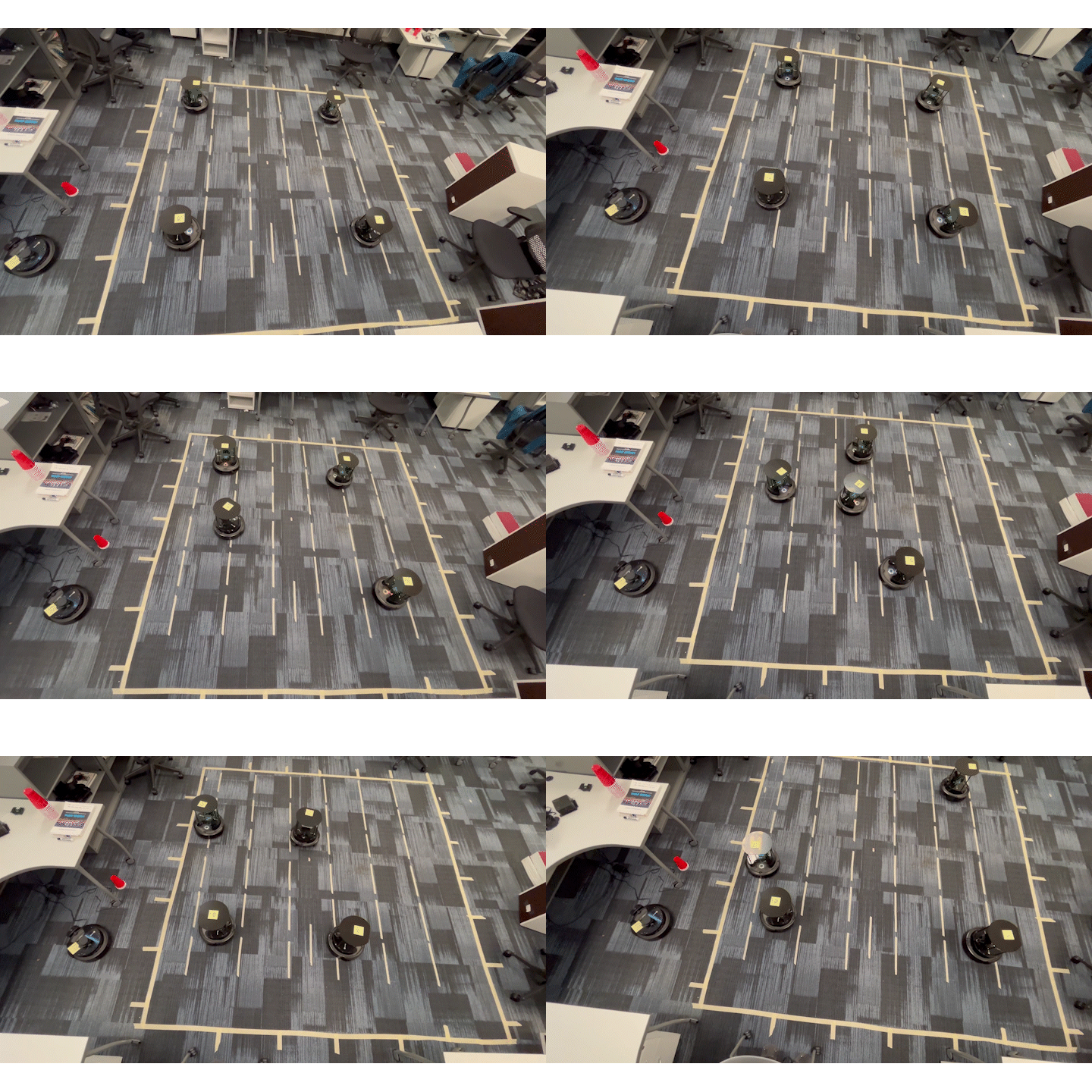
undergraduate research assistant in the Dynamical Systems & AI Research Group under Dr. Vignesh Narayanan. My summer work continued through the 2026 NSF CISE Research Experience for Undergraduates program.
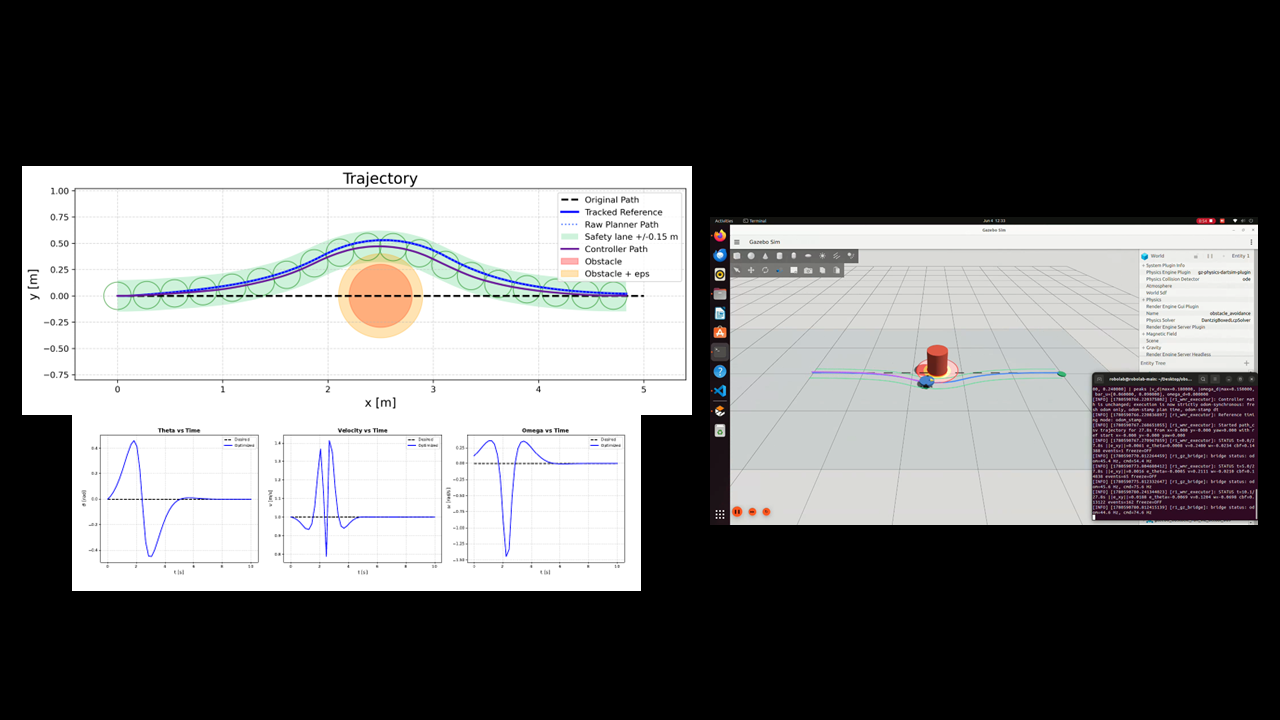
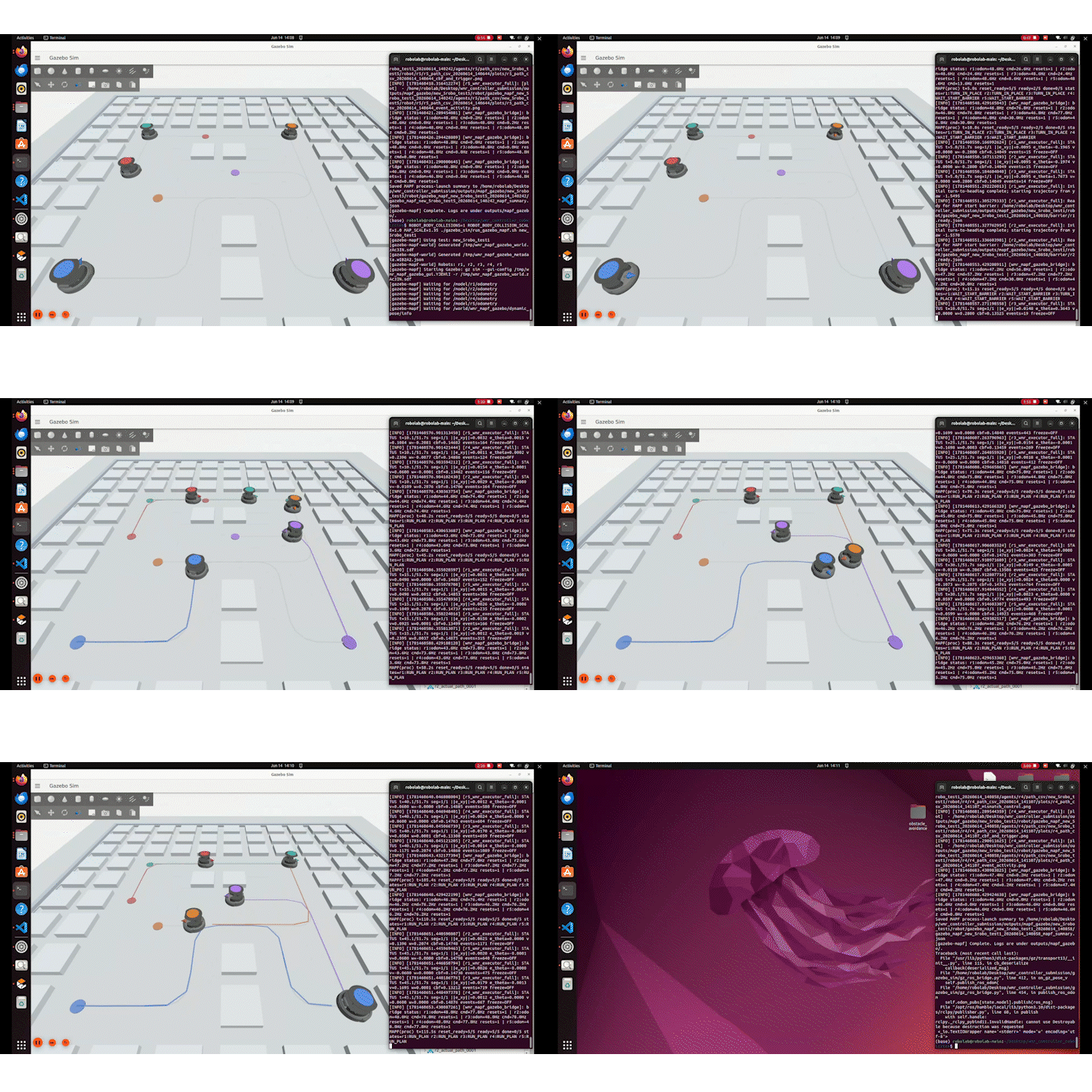
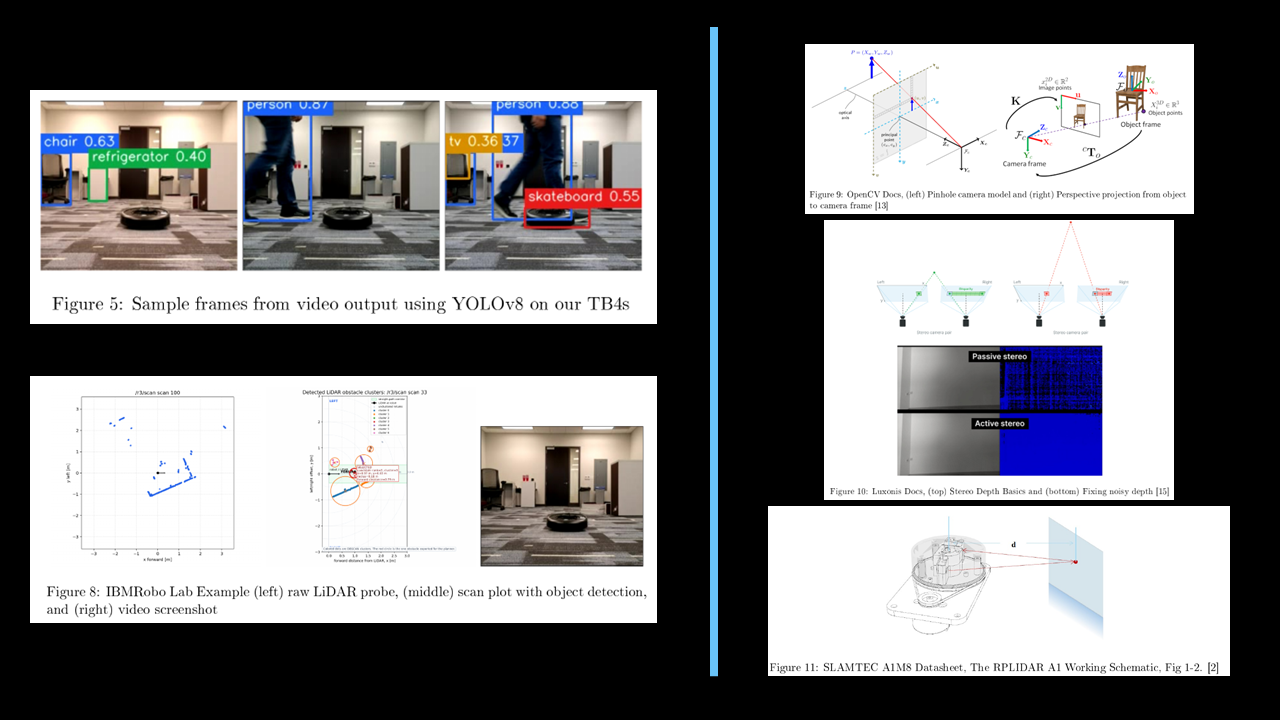
My research connected robotics, control, optimization, and AI through autonomous-navigation experiments, multi-agent path finding, simulation, and perception-system design.
The experience gave me the opportunity to move between mathematical ideas, software implementations, simulation, and experiments on physical robots.
Links: Group Site   Optimization Course Project   Perception Report

Summary: Robotics research combining ROS 2/TurtleBot4 hardware experiments, multi-agent path finding, Gazebo simulation, constrained optimization for obstacle avoidance, and perception system design.

Technical Skills: ROS 2, Gazebo, TurtleBot4, Python, C++, Bash, OAK-D, 2D LiDAR, YOLOv8, constrained nonlinear optimization, control theory
Personal Skills: experimental design, research communication, systems thinking, technical writing, technical documentation
Research Focus: multi-agent path finding, hardware experimentation, event-triggered optimal control, obstacle avoidance, robotics simulation, sensor fusion, safety-aware robotics
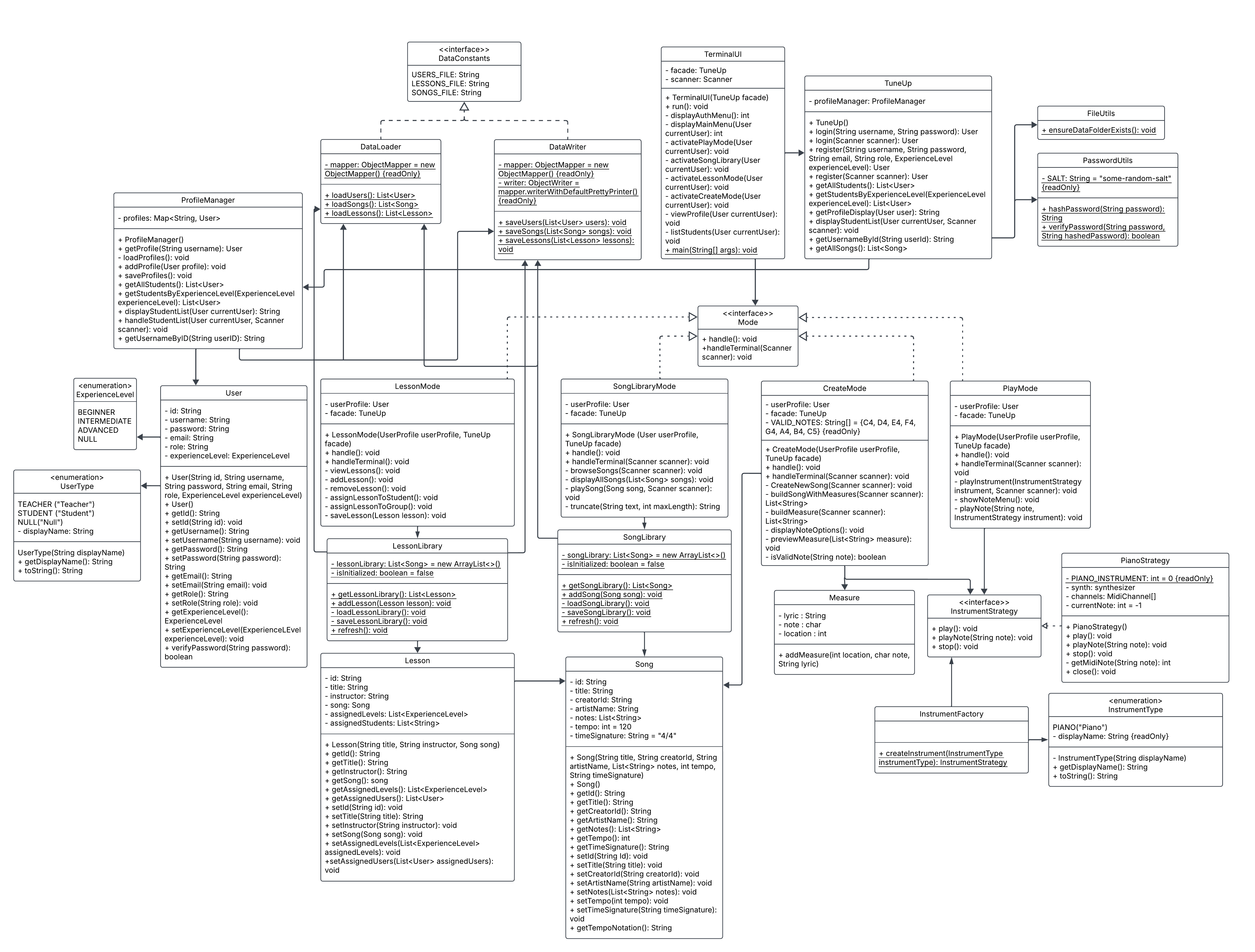
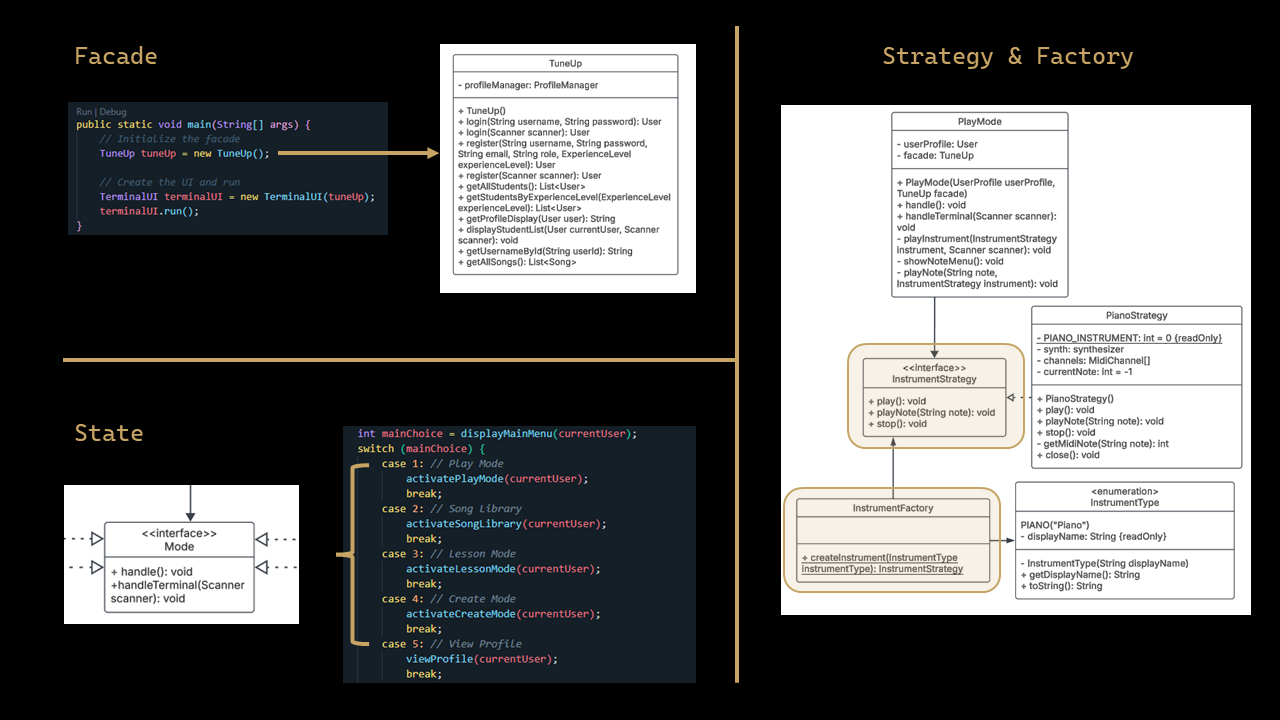
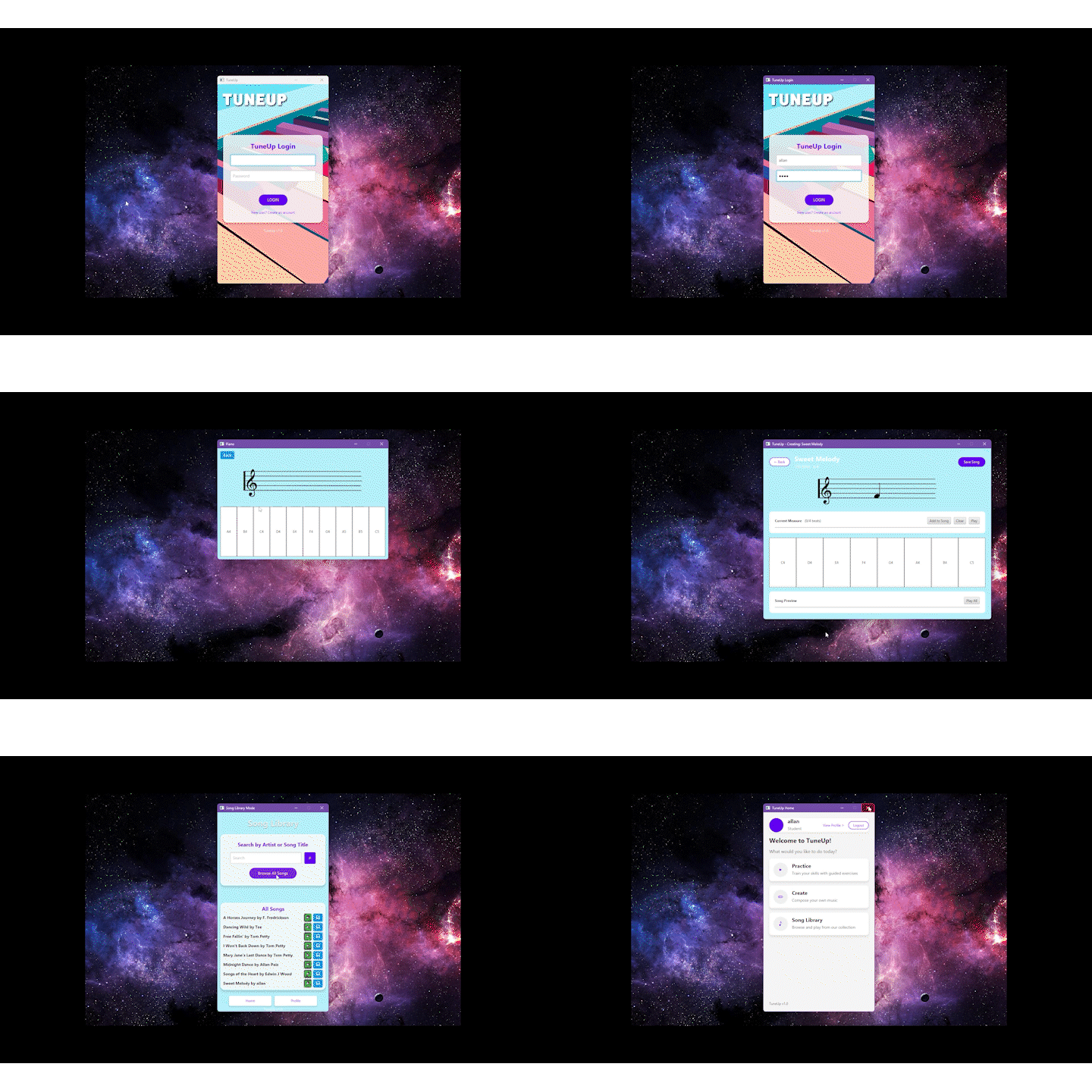
TuneUp is a prototype music app developed in Java for my Software Engineering course.
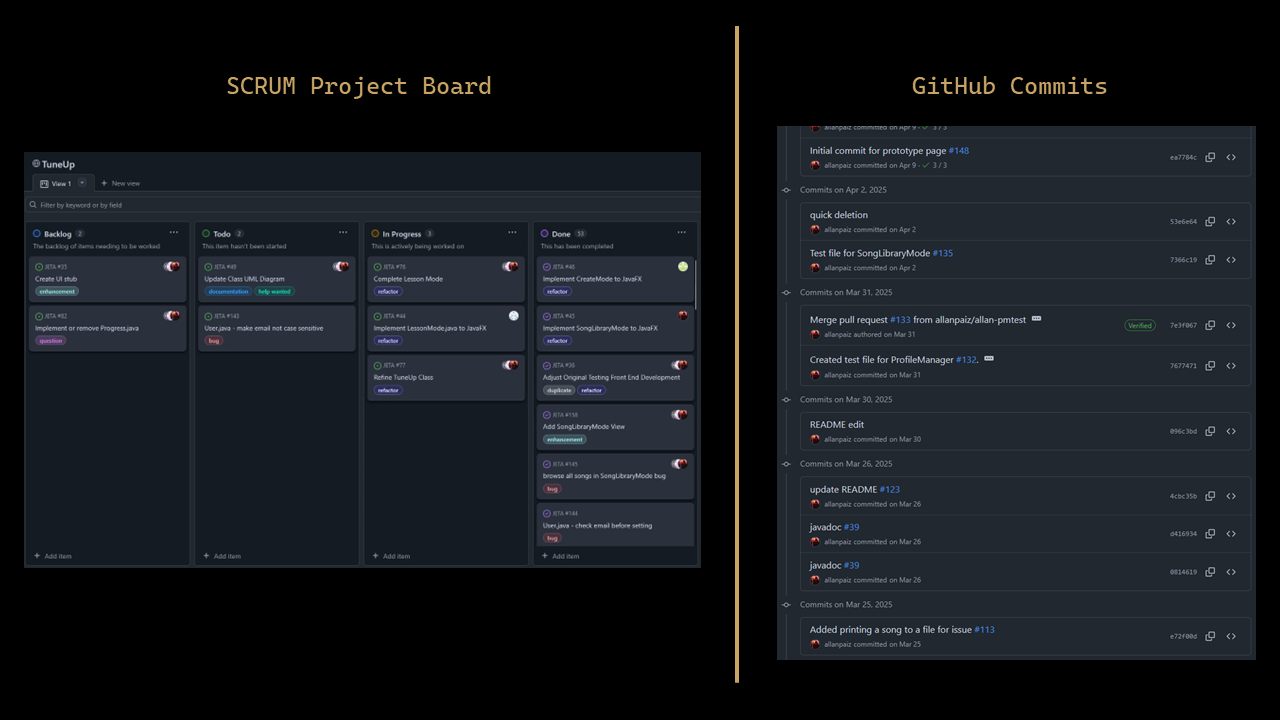
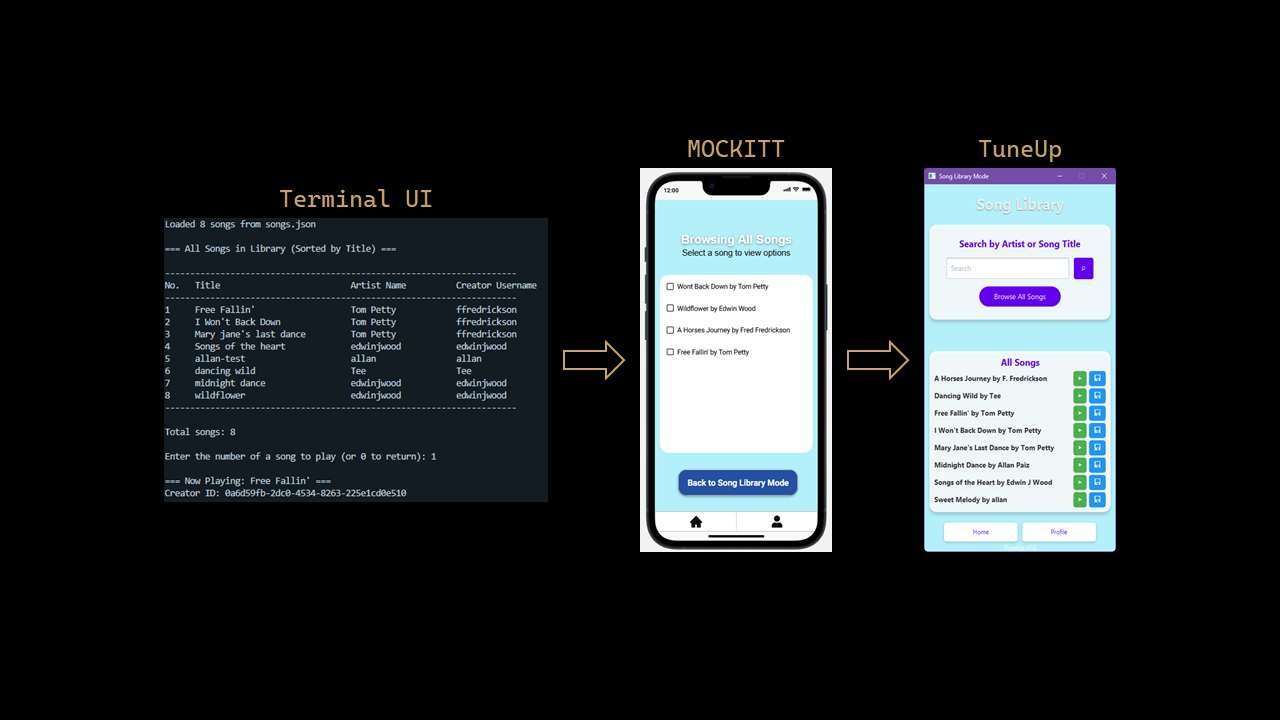
Teamwork - Worked in a team of four to complete a project from start to finish.Planning - Engaged with a client to define project requirements and objectives.System Design - Created documentation and UML diagrams to guide development.Development & Testing - Built and tested a Java console app, using GitHub for version control and collaboration. Front End - Designed and developed a GUI with JavaFX, applying UI/UX principles.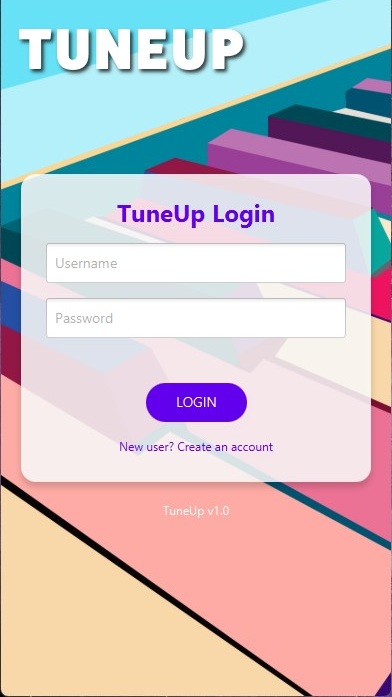
Links: GitHub Repository

Summary: Developed a music application for teacher-student interaction with composition and free play modes, lessons, and song libraries.

Technical Skills: Java, JUnit, JavaFX, git, GitHub, Object-Oriented Programming, documentation
Personal Skills: team collaboration, communication, project management, presentation
Features: software development life cycle, system design, software engineering, unit testing, front end development
Mathematical Foundations of Machine Learning and Data Science course.
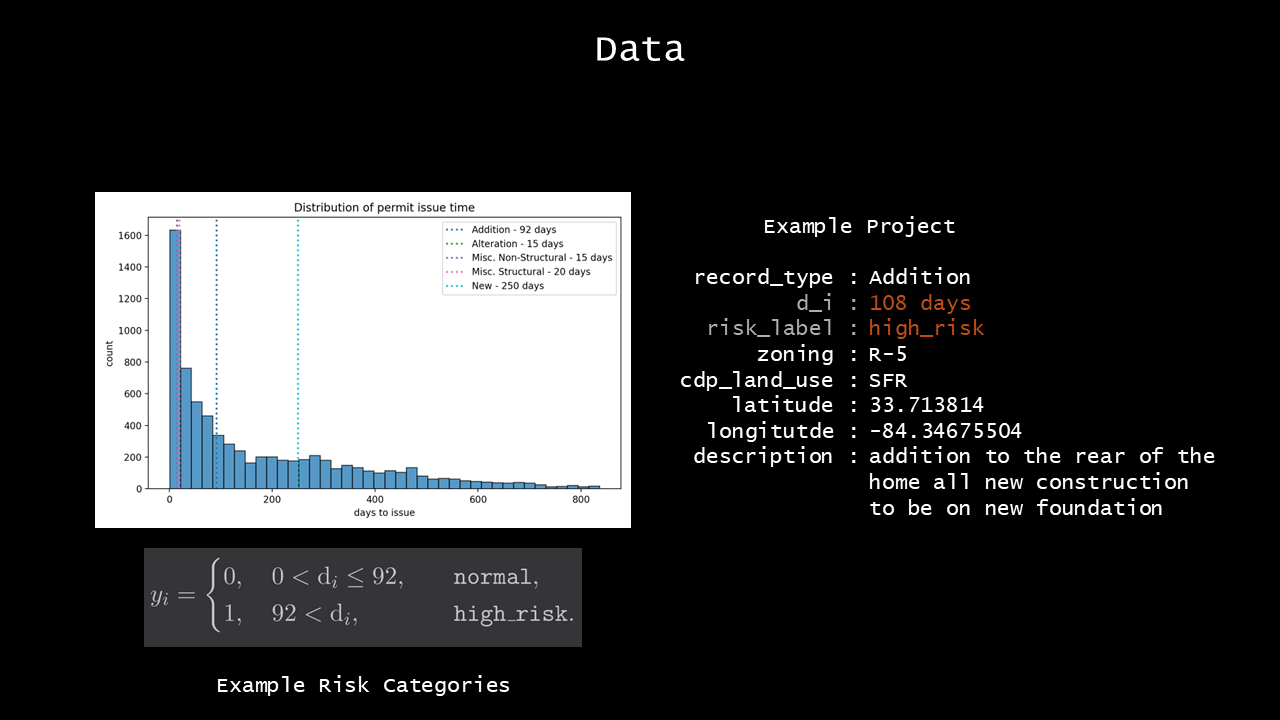
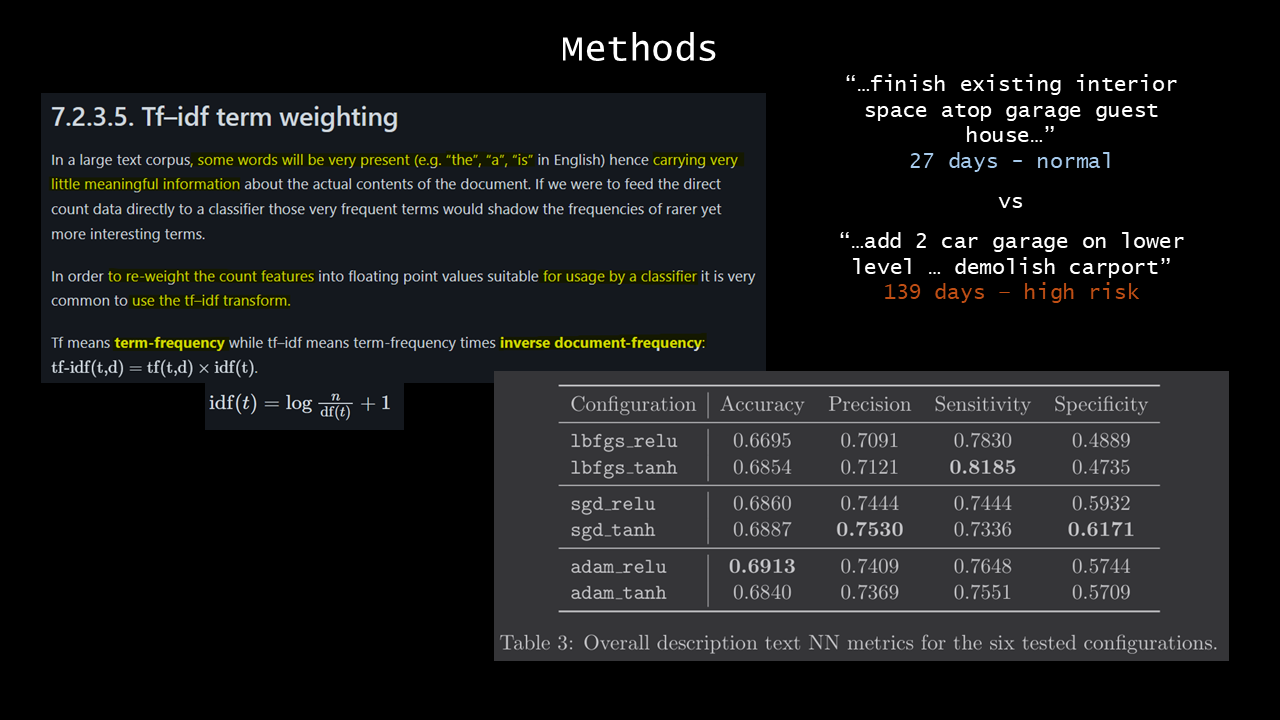
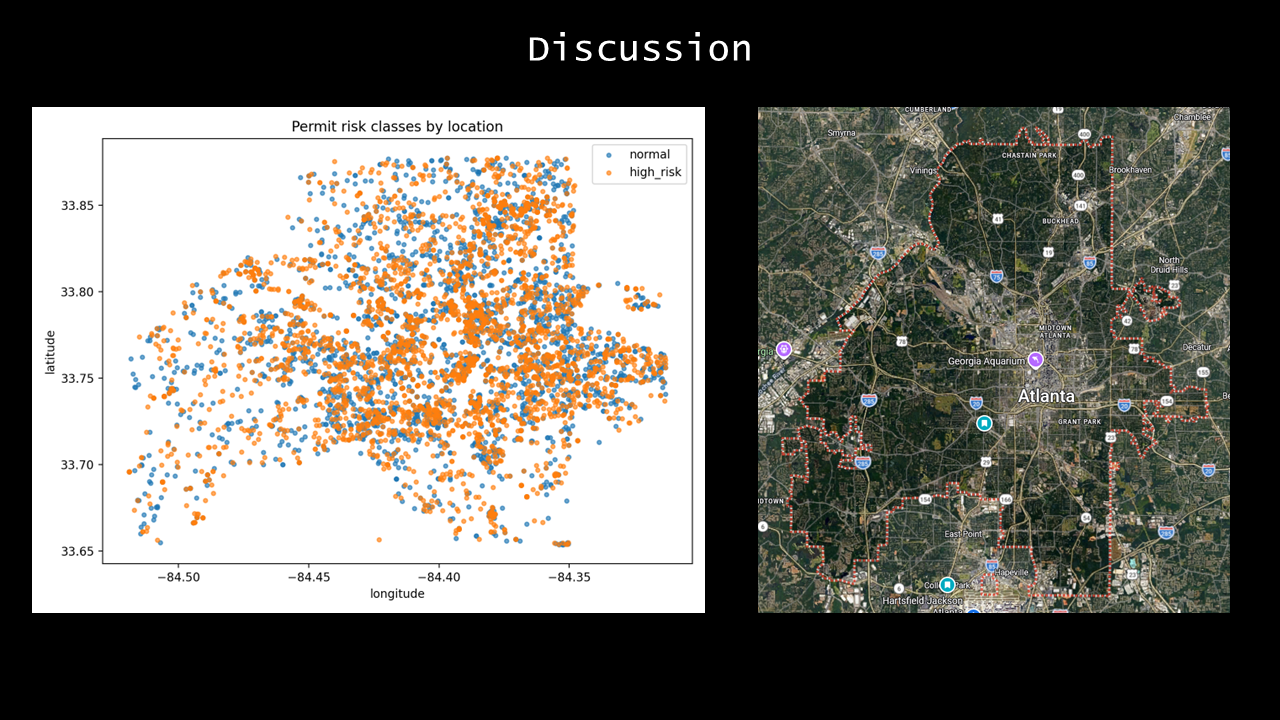
I centered the project around a practical question: can permit timing help a project manager estimate schedule risk while preparing a bid?
Permit delays can affect a construction schedule before work even begins. I framed that uncertainty as a classification problem: use information available in a building permit to identify residential projects that may take longer than normal to receive approval.
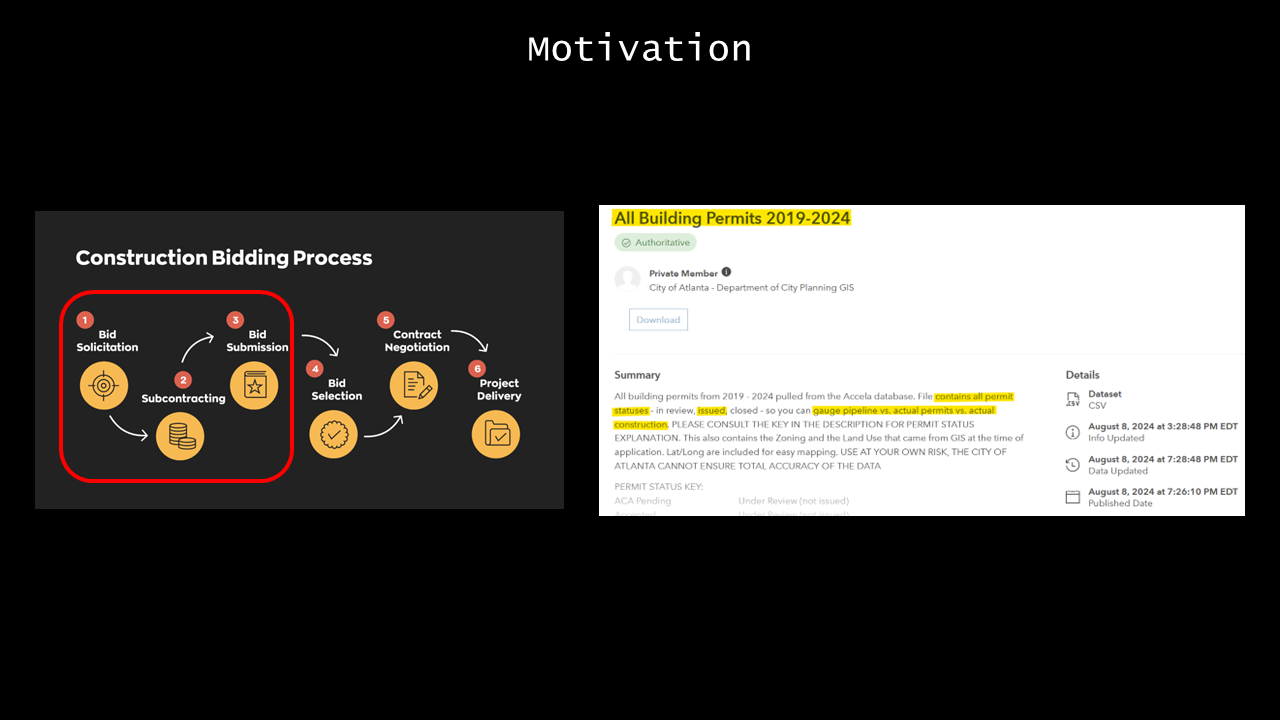
Links: Final Project Paper     City of Atlanta Building Permits Data

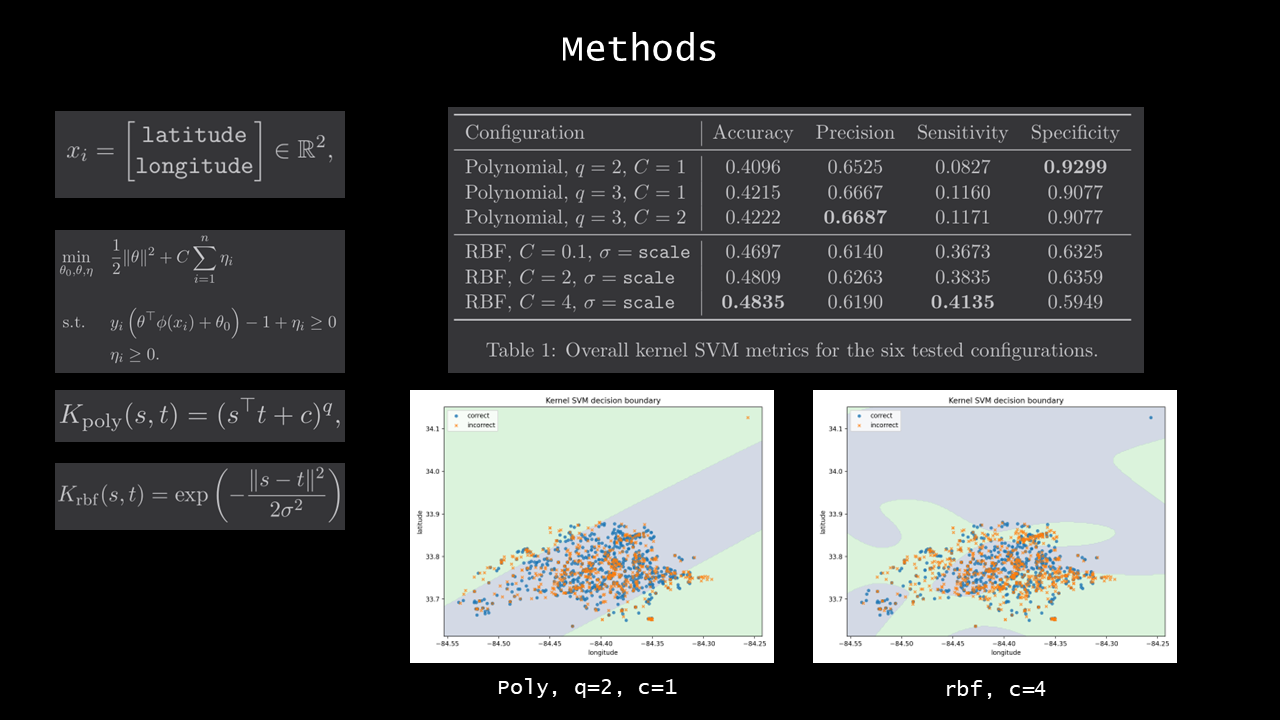
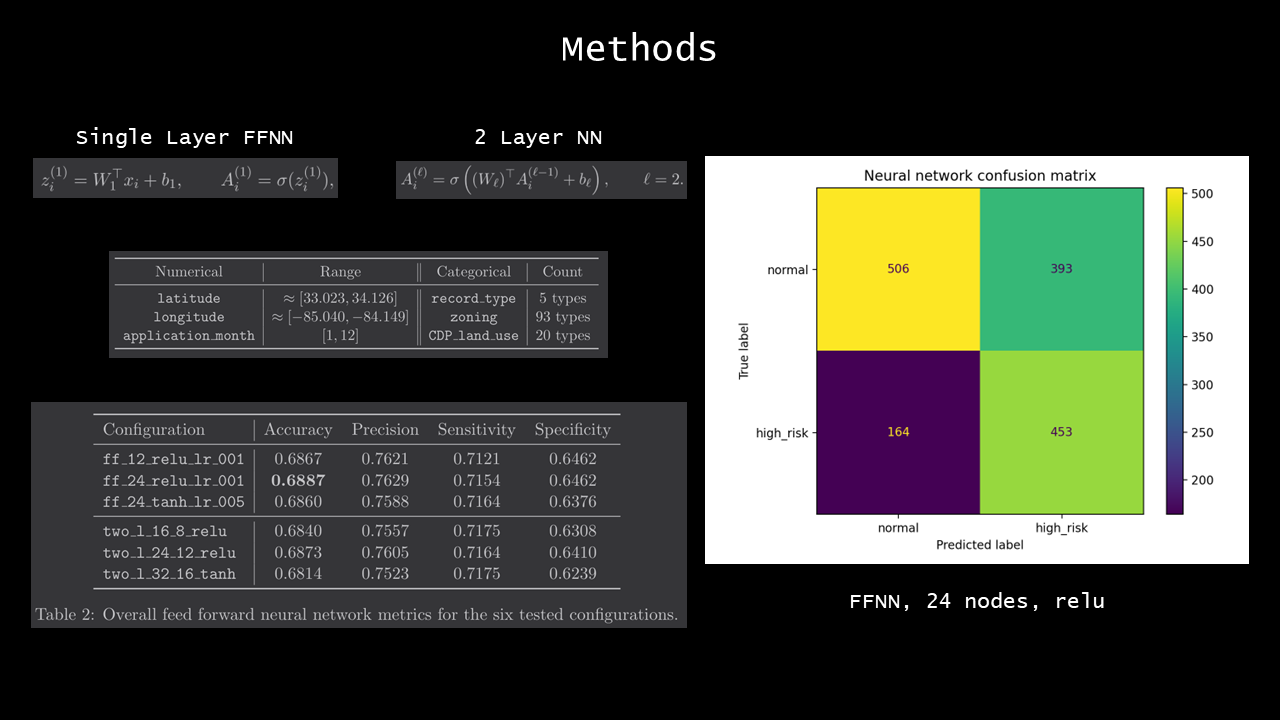
Summary: Built a permit delay classification pipeline using 7,504 Atlanta residential permits, progressing from location based kernel SVMs to structured and text-enhanced neural networks.

Technical Skills: Python, scikit-learn, kernel SVM, neural networks, TF-IDF, one-hot encoding, feature scaling, random oversampling
Personal Skills: problem framing, model comparison, analytical communication, responsible interpretation
Methods: public-data preprocessing, classification, feature engineering, structured-data modeling, text feature extraction, model evaluation